
TEACHING WHAT The MANUALS DON'T
Professional development for Pilates instructors who want to deepen their understanding of movement—not simply expand their exercise repertoire.
Instructor workshop SERIES by The Kawayan Method
The Kawayan Method is designed to complement—not replace—comprehensive Pilates education by helping instructors bridge the gap between learning movement principles and applying them confidently in practice.
The Kawayan Method is an educational framework built around developing movement observation, breath organization, spinal control, and intelligent teaching strategies that help instructors understand why movement succeeds—not simply what movement should look like.
These workshops offer an introduction to that approach.
Each session builds on the last, giving instructors practical tools they can immediately apply while laying the foundation for deeper study.
FAQs
Do I need to attend the workshops in order?
Our workshops are designed as a progressive learning series, with each session building upon concepts introduced in the previous one. While you're welcome to attend any workshop independently, you'll gain the greatest understanding by completing the series in sequence.
If you're new to the series, we recommend beginning with The Other Side of the Mat, where you'll develop the observational framework that supports every workshop that follows.
Who are these workshops designed for?
These workshops are ideal for:
- Pilates teacher training students
- Apprentice instructors
- Newly certified instructors
- Experienced instructors looking to deepen their understanding of movement
- Fitness professionals interested in movement quality and biomechanics
Our goal isn't to teach more exercises—it's to help you develop the reasoning behind them.
Do I need to be a certified Pilates instructor?
No.
Many participants are currently enrolled in teacher training or considering certification. Others have been teaching for years and are looking to refine their clinical reasoning and teaching skills.
Wherever you are in your journey, you'll leave with concepts you can immediately begin applying.
Which teacher training programs are these workshops for?
Our workshops complement instructors from all comprehensive Pilates education programs, including Polestar, Balanced Body, STOTT, BASI, Peak Pilates, and others.
The concepts taught are based on movement principles rather than any single exercise system, making them applicable regardless of your educational background.
Will I learn new exercises?
Not necessarily—and that's intentional.
Rather than expanding your exercise repertoire, these workshops help you better understand the exercises you already teach.
You'll develop stronger observation skills, clearer reasoning, and more effective cueing so you can create meaningful change with the movement vocabulary you already have.
What can I expect during a workshop?
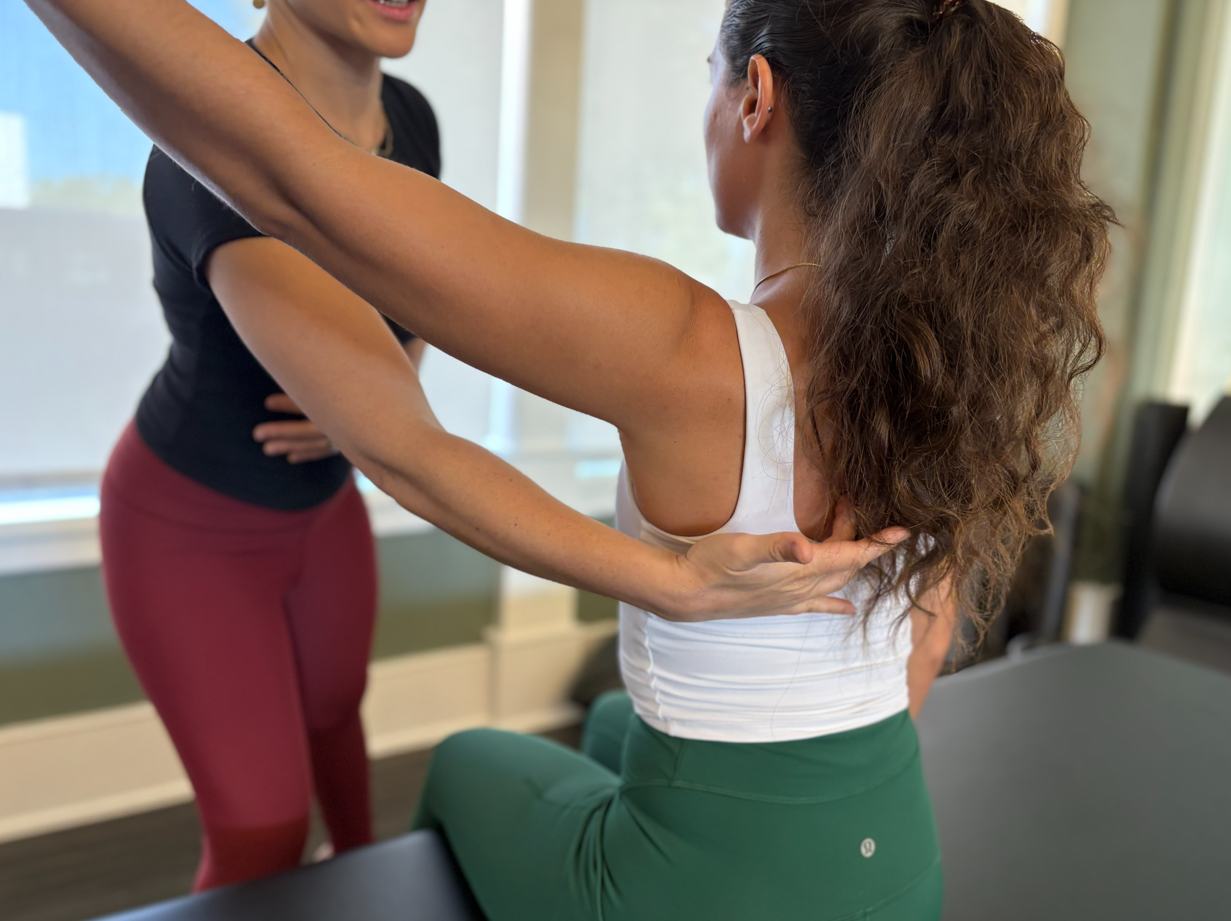
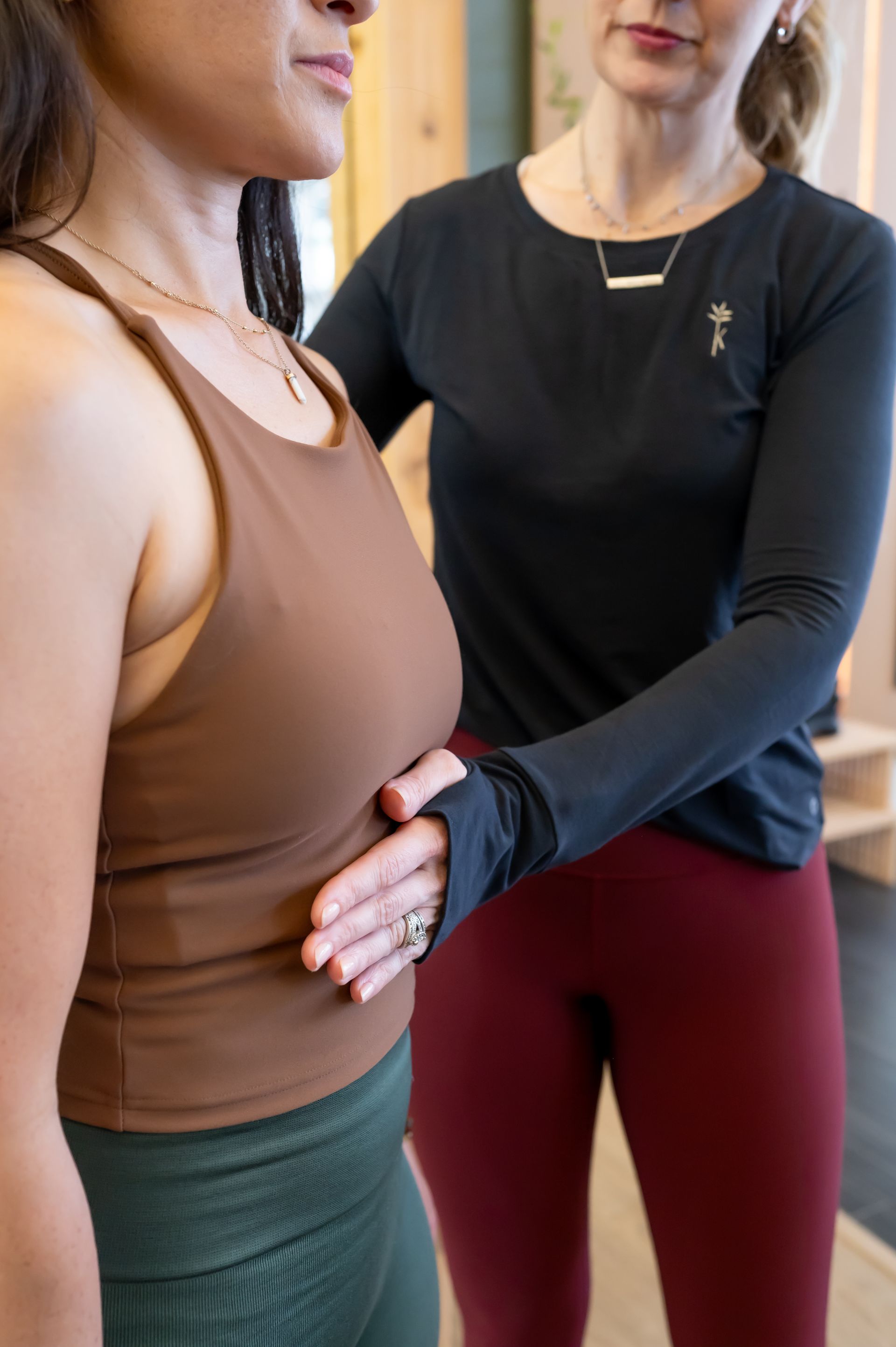
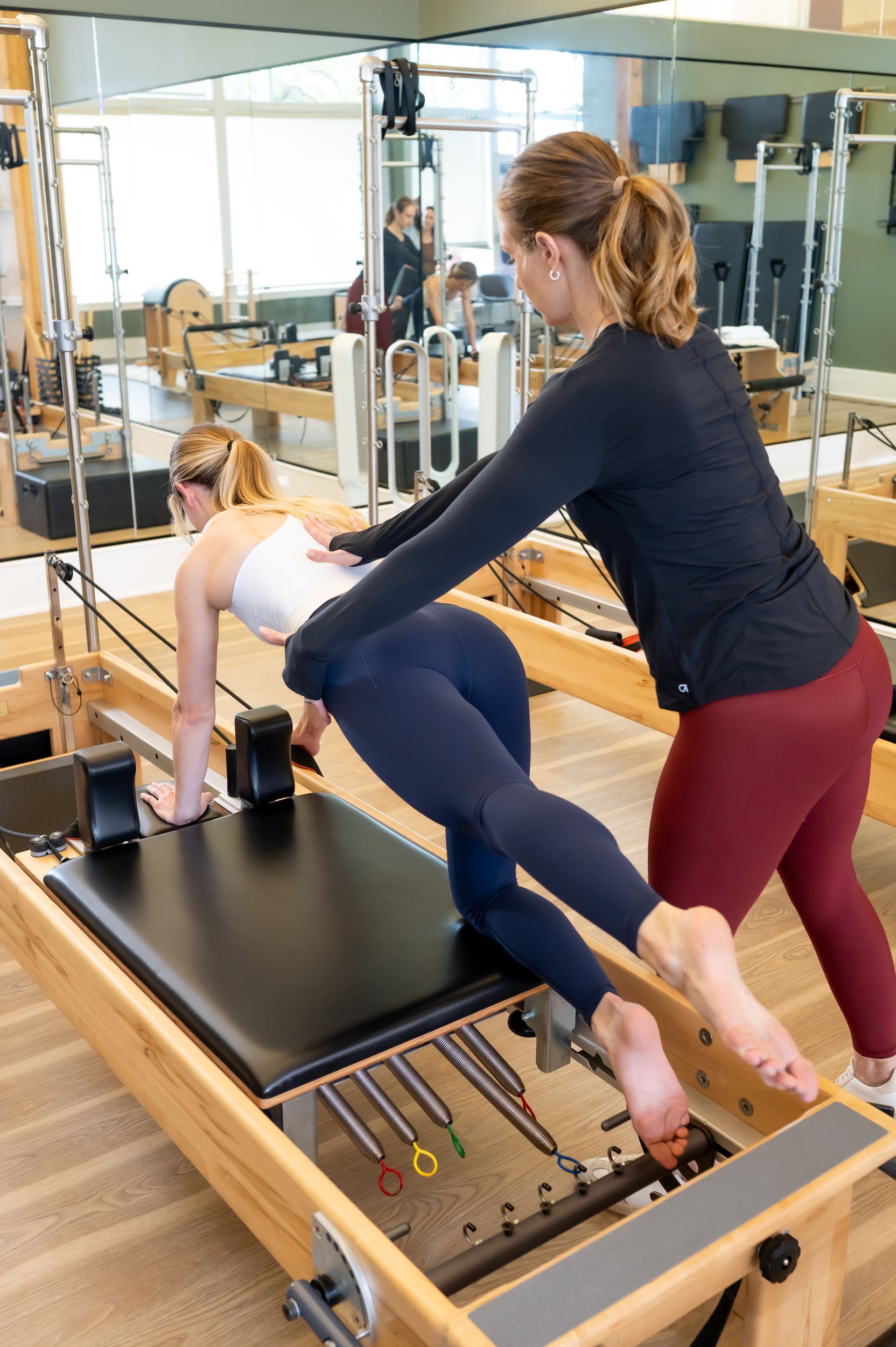
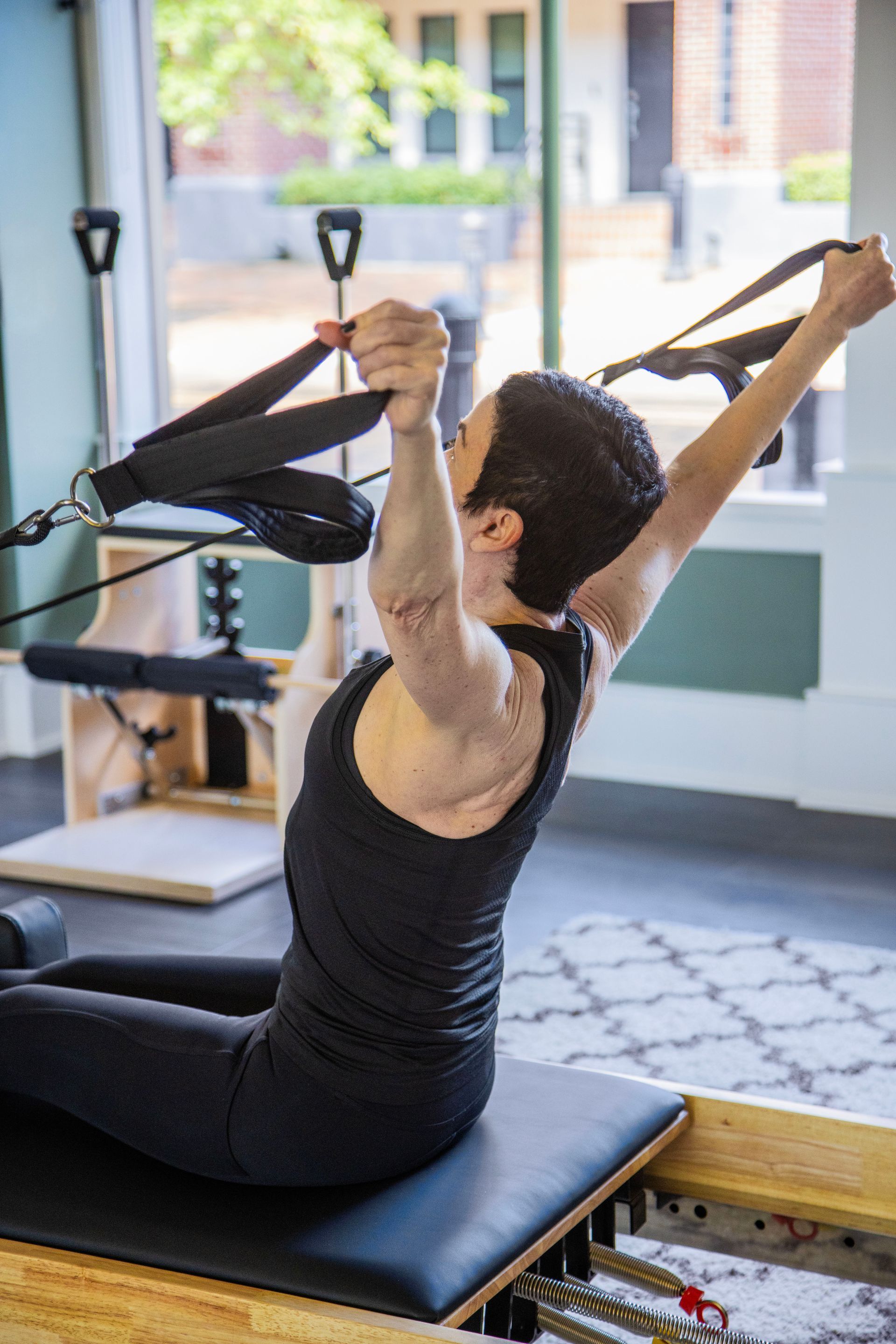
Each workshop combines discussion, movement exploration, instructor observation, and practical application.
You'll spend time moving, observing others, asking questions, and connecting concepts to real teaching scenarios. We encourage curiosity, discussion, and hands-on learning in a collaborative environment.
Will I receive continuing education credits?
Continuing education approval is currently in development.
Regardless of formal CE recognition, these workshops are designed to provide practical skills and deeper understanding that instructors can immediately apply in their teaching.
(Once approved, this answer can be updated with the specific organizations.)
How many participants are in each workshop?
Each workshop is limited to five participants because observation and feedback are essential to learning.
Every participant will be coached individually throughout the workshop. You'll move, receive personalized feedback, ask questions, and explore the concepts in your own body rather than simply watching demonstrations.
We believe instructors learn best by experiencing movement, understanding their own compensations, and connecting those insights to the clients they teach every day.
What should I bring?
Please wear comfortable clothing that allows you to move freely.
Bring a notebook if you enjoy taking notes, although workshop handouts and learning resources may be provided. Most importantly, come ready to move, observe, ask questions, and challenge the way you think about movement.
Do I have to participate in the movement portion?
Movement participation is encouraged because many of the concepts become much clearer when experienced firsthand.
That said, participants are always welcome to modify movements or observe portions of the workshop as needed. Our goal is learning—not performance.
What makes these workshops different from other continuing education courses?
Most continuing education workshops rely heavily on lecture and demonstration. Participants often spend much of the day observing someone else's movement and trying to translate those observations into their own teaching.
At Kawayan Strength, we believe instructors learn best by experiencing movement themselves.
Every workshop is intentionally limited to five participants, allowing each instructor to move, be individually coached, receive personalized feedback, and ask questions throughout the experience.
By understanding your own movement patterns first, you'll develop a sharper eye for recognizing and improving movement in your clients.
Why "Teaching What the Manuals Don't"?
Every comprehensive teacher training program provides an incredible foundation. Manuals teach exercises, progressions, and principles that are essential to becoming a skilled instructor.
Our workshops aren't designed to replace that education—they're designed to complement it.
We focus on the connections that often take years of teaching to fully understand: how to observe movement, interpret what you're seeing, organize the body through breath, and apply those principles to real people in real time.
Our goal is to help the concepts you've already learned finally click.
